Introduction
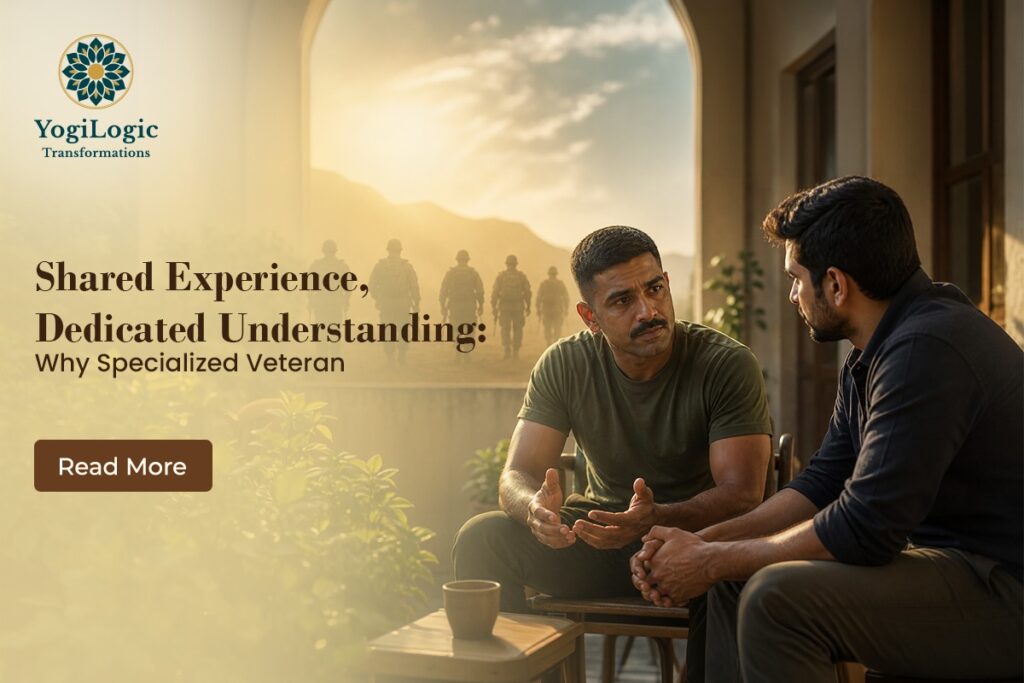
When a veteran decides to seek mental health support, they are taking a courageous and critical step towards healing. However, this step is often met with a significant, unseen barrier: the profound cultural gap between military and civilian life. Many veterans report feeling misunderstood or alienated in traditional therapy settings, encountering well-meaning civilian counselors who simply “don’t get it.” The nuances of military culture, the specific nature of combat trauma, and the complex emotions surrounding transition can be difficult to translate to someone who hasn’t lived it. This disconnect can lead to frustration, premature dropout from therapy, and a lingering sense of isolation. At YogiLogic Transformations, we recognize that effective therapy for veterans requires more than just clinical expertise; it demands a foundation of shared experience and dedicated understanding. Our specialized veteran support programs are built on this principle, integrating the rigorous ‘Logic’ of evidence-based modalities with the profound ‘Yogi’ empathy that comes from truly knowing the military journey. This article explores why specialized support is not just a preference, but a necessity for sustainable veteran healing.
The Barrier of “They Just Don’t Get It”
The military is not just a job; it is an all-encompassing culture and way of life, with its own language, values, and behavioral norms. Concepts like unit cohesion, the chain of command, and the mission-first mentality are deeply ingrained. When a veteran enters a civilian therapy room, they often find themselves having to explain these basic tenets before they can even begin to address their trauma or transition struggles.
This cultural translation is exhausting and can feel invalidating. A veteran might describe a situation involving moral injury or survivor’s guilt, only to be met with a civilian response that, while empathetic, misses the core military context. This can lead the veteran to conclude, “They just don’t get it,” reinforcing the belief that they are fundamentally different and isolated from the civilian world. This barrier prevents the establishment of the deep trust required for effective therapeutic work.
The ‘Logic’ of Specialized Care: Adapting Evidence-Based Modalities
From a ‘Logic’ perspective, specialized veteran support is about precision. It’s about taking proven, evidence-based psychotherapeutic modalities and adapting them to the specific psychological landscape of the veteran.
Tailoring the Approach to Military Trauma
Traditional trauma therapies often focus on the fear response associated with a life-threatening event. However, military trauma is frequently more complex. It can involve:
- Moral Injury: The psychological distress resulting from actions, or the lack of them, which transgress deeply held moral beliefs and expectations.
- Survivor’s Guilt: The profound guilt experienced by those who survive a combat situation where others did not.
- Complex PTSD: Resulting from prolonged, repeated exposure to trauma, rather than a single event.
A specialized approach understands these nuances. For example, when using Cognitive Behavioural Therapy (CBT), a specialized counselor knows how to navigate the specific cognitive distortions related to combat rules of engagement or the intense responsibility felt for fellow service members. The ‘Logic’ is applied not generically, but with a surgical understanding of the military context, making the intervention far more effective.
The Military Mindset as an Asset
Furthermore, specialized care recognizes the military mindset not as a pathology to be cured, but as a set of strengths to be leveraged. The discipline, resilience, and problem-solving skills honed in service are powerful tools for recovery. A specialized counselor uses ‘Logic’ to help the veteran redirect these skills towards their healing process, transforming military conditioning from a potential obstacle into a strategic advantage.
The ‘Yogi’ of Shared Understanding: Building a Container of Mutual Respect
While the ‘Logic’ ensures the therapy is clinically precise, the ‘Yogi’ component is what makes it emotionally resonant. This is where the power of shared experience truly shines. It’s about creating a therapeutic container built on mutual respect, unspoken understanding, and genuine empathy.
- The Power of Unspoken Understanding
In a specialized setting, a veteran doesn’t have to explain what a deployment feels like, the weight of a rucksack, or the complex dynamics of a platoon. This unspoken understanding immediately lowers defenses. The veteran feels seen and validated without having to justify their experiences. This rapid establishment of trust accelerates the therapeutic process, allowing the veteran to dive deeper into the ‘Yogi’ work of emotional processing and vulnerability much sooner than they might in a civilian setting.
- Fostering True Empathy and Connection
The ‘Yogi’ approach emphasizes connecting with the ‘Core Self’. For a veteran, this often means reconciling the person they were before service, the person they were during service, and the person they are becoming now. A counselor with dedicated understanding can guide this integration with profound empathy. They can hold space for the darkest aspects of combat experience without judgment or shock, providing a safe harbor for the veteran to process grief, anger, and moral conflict. This shared connection reduces the profound isolation many veterans feel, replacing it with a sense of belonging and shared humanity.
The Path to Sustainable Resilience: Faster, Deeper Healing
The integration of culturally adapted ‘Logic’ and deeply empathetic ‘Yogi’ creates a powerful synergy that leads to faster and more profound healing. When a veteran feels truly understood, they are more likely to engage fully in the therapeutic process, adhere to treatment plans, and take the necessary risks for growth.
Our specialized approach ensures that:
- Trust is Established Quickly: The shared cultural understanding bypasses the initial barriers of explanation and justification.
- Interventions are Precise: Evidence-based modalities are tailored to the specific nuances of military trauma and transition.
- Strengths are Leveraged: Military discipline and resilience are actively utilized in the recovery process.
- Isolation is Broken: The veteran experiences genuine connection and validation, reducing the feeling of being an outsider.
This comprehensive, specialized framework doesn’t just aim for symptom reduction; it aims for sustainable resilience. It empowers veterans to integrate their service experiences into a cohesive, meaningful civilian identity, moving from a state of post-traumatic stress to post-traumatic growth.
Conclusion
The journey of healing and transition for a veteran is unique and demands a level of support that acknowledges and honors that uniqueness. Generic therapy, while well-intentioned, often falls short of providing the deep, culturally resonant connection required for true transformation. By integrating the adapted ‘Logic’ of evidence-based care with the profound ‘Yogi’ empathy born of shared understanding, YogiLogic Transformations offers a specialized pathway that truly meets veterans where they are. We believe that those who have served deserve support that is as dedicated and specialized as their service was. You don’t have to explain your world to us; we are already there with you.
Are you a veteran seeking support from someone who truly understands? Discover the difference of specialized care. Contact YogiLogic Transformations today to schedule a confidential consultation and begin your journey to sustainable resilience and clarity.